Water damage often begins quietly. A loose appliance connection, a small roof opening, or a slow plumbing leak may seem minor at first. Yet water can move beneath flooring, behind walls, and into insulation before a homeowner realizes how far it has spread. In Lynnwood, frequent rain and seasonal cold make moisture problems especially important to catch early.
Understanding the most common causes of water damage can help you protect your home and respond before a small problem becomes a major restoration project. Preparation can make a stressful emergency easier to manage safely.
Plumbing Leaks Behind Walls and Under Floors
Some plumbing leaks are easy to spot. Others remain hidden until paint bubbles, flooring changes shape, or a musty odor appears. Supply lines, drainpipes, fittings, and valves can leak inside cabinets, wall cavities, ceilings, and crawlspaces.
Pay attention to unexplained changes in your water bill, reduced water pressure, stains, peeling paint, and damp areas near plumbing fixtures. Check below sinks and around toilets, tubs, showers, and water heaters. If you notice moisture but cannot identify the source, do not assume the surface will dry by itself. Hidden water may still be affecting drywall, subflooring, framing, or insulation.
Burst Pipes During Cold Weather
Lynnwood winters can bring freezing temperatures that place exposed and poorly insulated pipes at risk. When water freezes inside a pipe, pressure can build until the pipe cracks. The damage may not become obvious until temperatures rise and water begins flowing through the broken section.
Insulate pipes in crawlspaces, garages, exterior walls, and other cold areas. Disconnect outdoor hoses before freezing weather and know where the main water shutoff valve is located. During a severe cold period, keep indoor temperatures steady and open cabinet doors beneath sinks located against exterior walls. If a pipe bursts, shut off the water only when it is safe, then call for professional water extraction and drying.
Roof Leaks and Wind Driven Rain
Rain does not need a large opening to enter a building. Missing shingles, damaged flashing, worn sealant, clogged gutters, and roof penetrations can allow water into an attic or ceiling cavity. Wind can push rain beneath roofing materials and into areas that usually remain dry.
Inspect your roof from the ground after strong weather and schedule professional repairs when you see visible damage. Keep gutters and downspouts clear so rainwater can move away from the roof and foundation. Inside the home, watch for ceiling stains, damp attic insulation, peeling paint, and discoloration around vents or skylights. A ceiling stain is not merely cosmetic. It can signal active moisture above the finished surface.
Appliance and Supply Line Failures
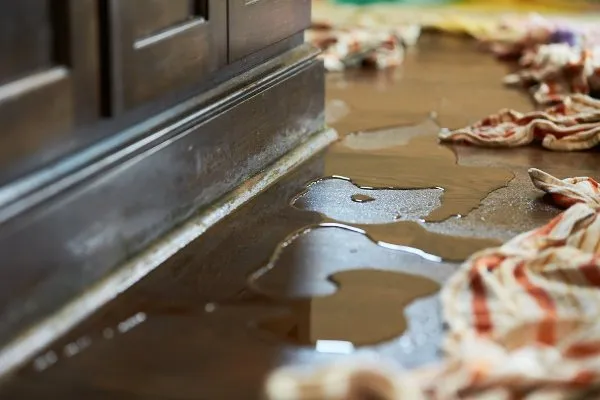
Washing machines, dishwashers, refrigerators, and water heaters can release a large amount of water when a hose, connection, valve, or internal component fails. Because many appliances sit beside cabinets or finished flooring, the escaping water can quickly reach materials that are difficult to dry.
Look behind appliances when possible and replace connections that show cracking, corrosion, swelling, or moisture. Do not ignore small puddles or recurring dampness. Consider shutting off the water supply before leaving home for an extended period if doing so is appropriate for your plumbing system.
Basement and Crawlspace Water Intrusion
Lower areas of a property are naturally vulnerable because water follows gravity. Heavy rain, poor drainage, foundation openings, sump pump problems, and groundwater pressure may introduce moisture into a basement or crawlspace. These areas can remain damp without affecting the rooms you use every day, which allows damage to grow out of sight.
Check that soil slopes away from the foundation and that downspouts release water at a suitable distance from the building. Inspect basement walls and floors for stains, mineral residue, cracks, and recurring dampness. In a crawlspace, look for wet insulation, condensation, standing water, or odors. A sump pump should be tested regularly according to the manufacturer instructions, especially before the wettest months.
Toilet Overflows and Sewage Backups
Not every water emergency involves clean water. A toilet overflow or sewage backup can introduce contaminants that require careful handling, cleaning, and material removal. Children, pets, and unprotected adults should remain away from the affected area. Avoid using household fans that could move contaminated particles into other rooms.
If the overflow came from a simple fixture blockage and remained contained, stop using the fixture and arrange the proper repair. If sewage entered the room or affected porous materials, professional cleanup is the safer choice. Northwest Restoration of Lynnwood provides sewage backup cleanup along with water extraction, drying, and restoration services.
Slow Leaks That Create Hidden Damage
Slow leaks are dangerous because they can continue for weeks without producing standing water. Moisture may collect beneath vinyl, laminate, carpet, tile, cabinets, or baseboards. The visible surface can feel dry while the material below remains wet.
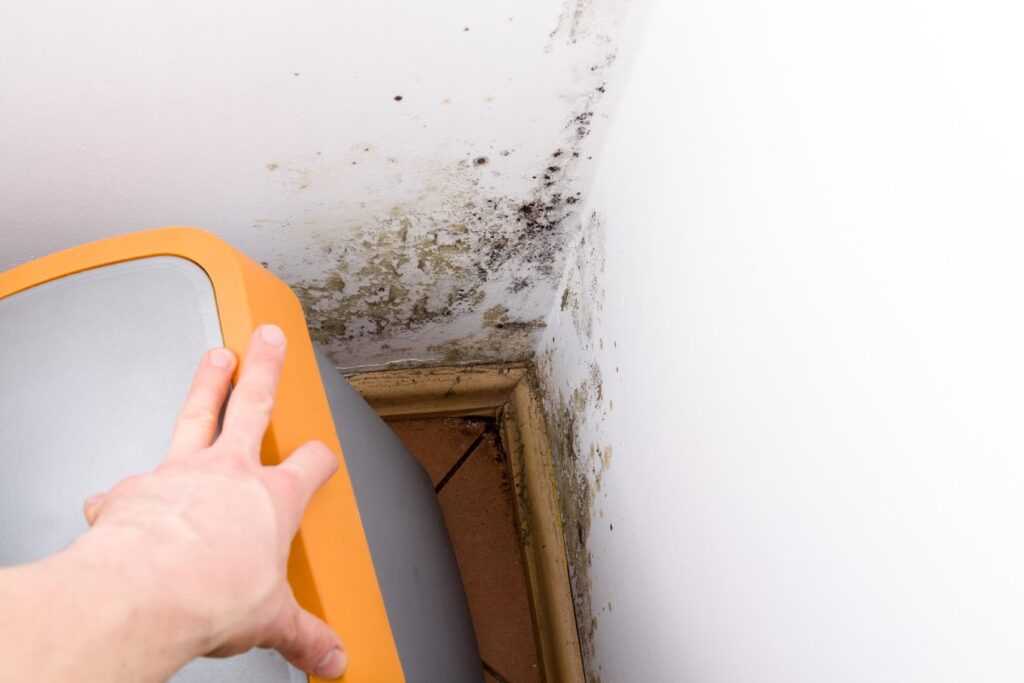
Common warning signs include warped flooring, soft drywall, loose trim, dark staining, persistent odors, and mold growth. If the same area keeps changing after you clean or repaint it, the underlying moisture source may still be active. Covering a stain does not solve a leak. The source must be corrected, and all affected materials must be evaluated and dried.
What to Do When You Discover Water Damage
Safety comes first. Stay away from standing water near electrical outlets, appliances, or a damaged ceiling. If you can stop the water source without entering an unsafe area, close the appropriate valve. Move valuables only when doing so does not expose you to contamination, electrical danger, or unstable materials.
Take clear photos and videos of the affected rooms, damaged belongings, and visible source. Contact your insurance provider when appropriate and save receipts related to emergency protection or temporary repairs. Avoid removing large sections of material before the damage is documented unless immediate action is required for safety.
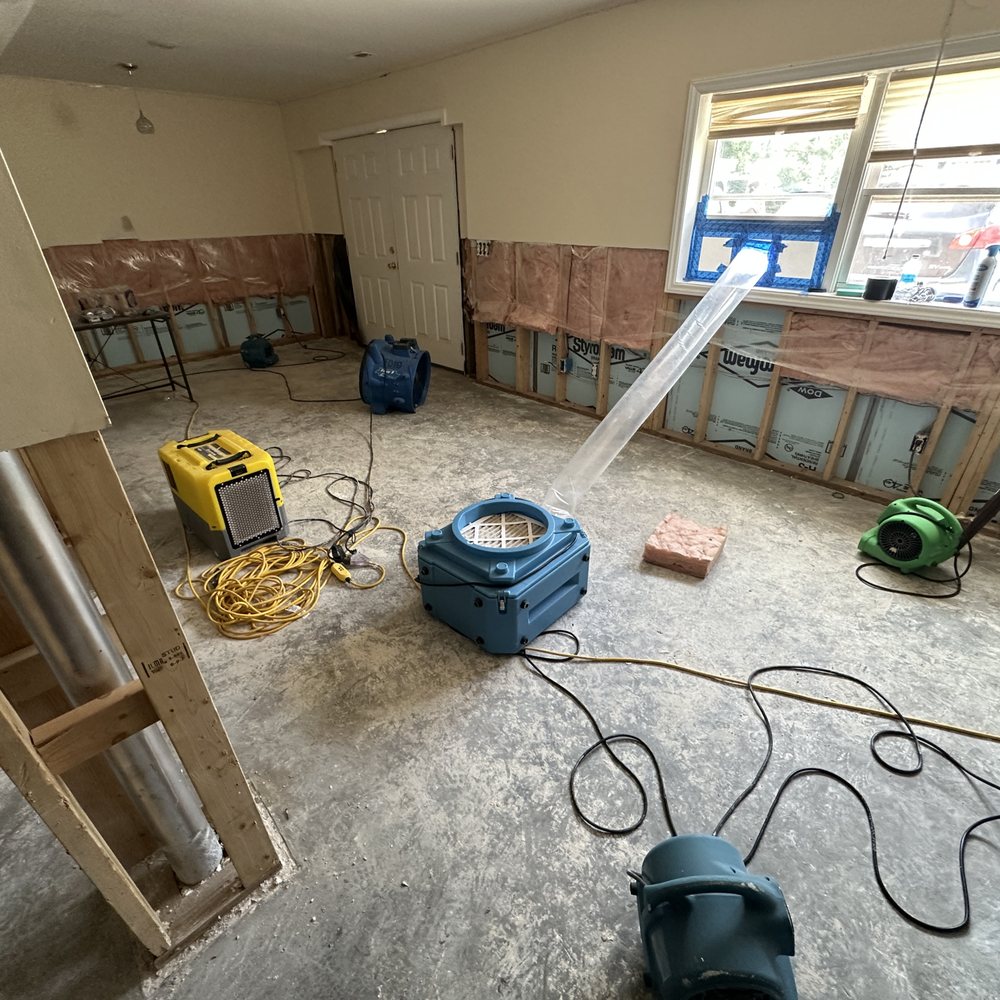
Most importantly, arrange professional inspection quickly. Water extraction removes visible water, but restoration also requires moisture detection and structural drying. Commercial air movers, dehumidifiers, and moisture meters help technicians address water that towels, household fans, and ordinary vacuums cannot reach.
Why Complete Drying Matters
A room can look normal while moisture remains inside walls or beneath flooring. Trapped water may weaken materials, create odors, damage finishes, and support mold growth. That is why a professional restoration plan includes repeated moisture checks instead of relying only on appearance.
Northwest Restoration of Lynnwood follows a detailed process that may include inspection, water extraction, removal of materials that cannot be saved, structural drying, dehumidification, cleaning, and restoration planning. The goal is to return the property to a safe and dry condition while preventing moisture from continuing to spread.
Local Water Damage Help in Lynnwood
Water damage can come from rain, plumbing, appliances, sewage, or hidden leaks, but the response should always begin with safety and fast action. The sooner the source is controlled and the affected areas are evaluated, the better the chance of limiting damage to the structure and contents.
Northwest Restoration of Lynnwood serves homeowners and businesses throughout Lynnwood and nearby communities. Our team provides water extraction, structural drying, basement flood cleanup, sewage cleanup, mold remediation, storm damage cleanup, and restoration support. We are available 24 hours a day for urgent water damage situations.
If you discover water in your home, call Northwest Restoration of Lynnwood at (206) 714 2468. We can inspect the damage, explain the next steps, and begin the cleanup and drying process before moisture travels farther.