Finding water inside your home or business can make everything feel urgent and uncertain. You may not know where the water traveled, which materials can be saved, or how long the cleanup will take. Moisture can enter drywall, flooring, insulation, cabinets, subflooring, and framing.
Professional water damage restoration is a structured process designed to stop the source, remove water, dry the property, clean affected areas, and complete necessary repairs. Northwest Restoration of Lynnwood provides this support for homes and businesses throughout Lynnwood. Understanding each stage can help you make informed decisions and know what to expect after calling for help.
Emergency Contact and Initial Guidance
The restoration process begins when you contact a professional team. During the call, you may be asked when the damage started, where the water is coming from, which rooms are affected, and whether electricity or sewage is involved.
Do not walk into standing water when electrical outlets, appliances, or wiring may be involved. Stay away from sagging ceilings and areas where materials appear unstable. If the water may contain sewage or outdoor floodwater, keep people and pets out of the affected space. A restoration professional can provide immediate guidance while the crew prepares to respond.
Inspection and Moisture Detection
Once technicians arrive, they inspect the property and identify the source when possible. Stopping the source is essential because extraction and drying cannot succeed while new water continues entering the building.
The inspection covers more than visible surfaces. Technicians may use moisture meters and thermal imaging to locate damp areas within walls, beneath flooring, and around cabinets. They consider the source of the water, how long it has been present, the materials involved, and the distance it has traveled. This information helps define the restoration plan.
Documentation may include photographs, measurements, moisture readings, notes, and a list of affected materials.
Water Source and Contamination Assessment
The cleanup method depends partly on the source and condition of the water. Water from a broken supply line may begin relatively clean, while an appliance discharge, toilet overflow, sewage backup, or outdoor flood can carry different levels of contamination. Water can also become more contaminated after sitting in contact with building materials and debris.
Technicians evaluate these conditions before deciding which materials can be cleaned and dried. Contaminated porous materials may need to be removed because they can absorb water and cannot always be safely restored. The assessment protects occupants and prevents an unsafe one size solution from being used for every water loss.
Standing Water Extraction
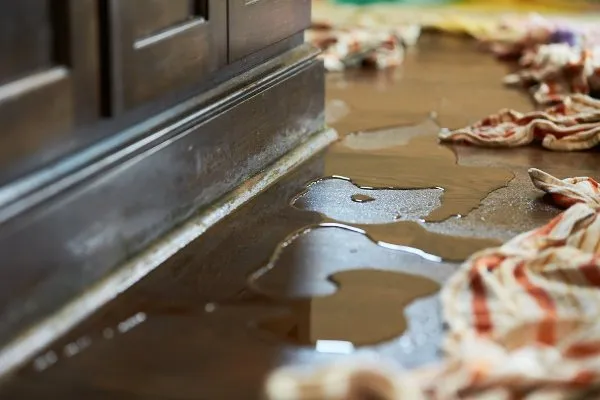
After the area is safe and the source is controlled, technicians remove standing water. Professional extractors and pumps can remove water more efficiently than towels, mops, or household equipment. Fast extraction reduces the amount of moisture that continues soaking into floors, walls, and structural materials.
Extraction is a major step, but it does not mean the structure is dry. Materials can hold significant moisture after all visible water is gone. That is why drying and monitoring remain necessary.
Removal of Materials That Cannot Be Saved
Some building materials can be dried and restored, while others may require removal. The decision depends on contamination, physical damage, material type, and how deeply the water penetrated. Saturated insulation, damaged carpet padding, swollen composite materials, and contaminated drywall are common examples of materials that may not be suitable for restoration.
Careful removal can expose hidden wet areas and allow air to reach framing and cavities. The goal is not to tear out everything. A responsible restoration plan preserves materials when it is safe and practical while removing those that would prevent complete drying or create an ongoing concern.
Structural Drying and Dehumidification
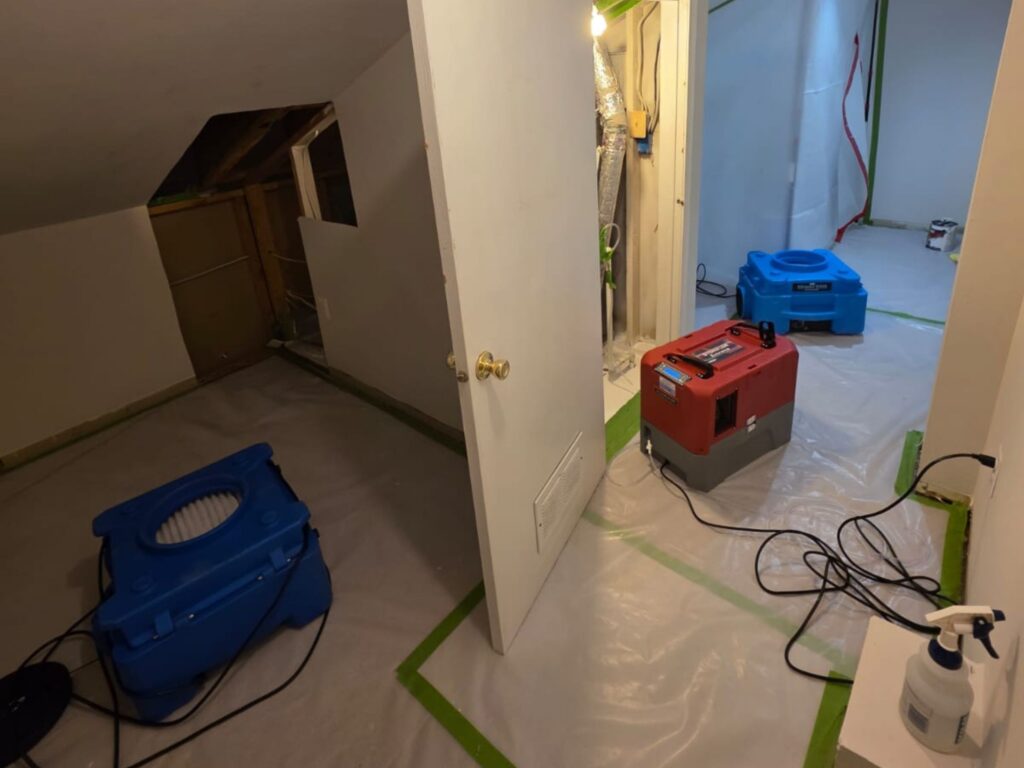
Structural drying addresses moisture held inside the building. Technicians place commercial air movers to encourage evaporation from wet materials. Dehumidifiers collect moisture from the air, helping create conditions that support efficient drying. Equipment placement depends on the room layout, materials, temperature, and moisture readings.
Drying equipment often needs to operate continuously for a period of time. Turning it off early can slow progress and leave moisture behind.
Technicians return to monitor progress and adjust equipment as needed. They compare moisture readings over time rather than guessing based on touch or appearance. Drying is considered complete when affected materials reach appropriate moisture levels, not simply when the surface looks dry.
Cleaning and Odor Control
Water can carry dirt, debris, and contaminants into a property. After extraction and material removal, affected surfaces may require detailed cleaning. The exact process depends on the water source and the materials that remain. Sewage and other contaminated losses demand additional precautions and professional cleaning procedures.
Odors often improve as wet materials are removed and the structure dries. If an odor remains, technicians look for hidden moisture, affected contents, or materials that may require further cleaning or removal.
Mold Prevention After Water Damage
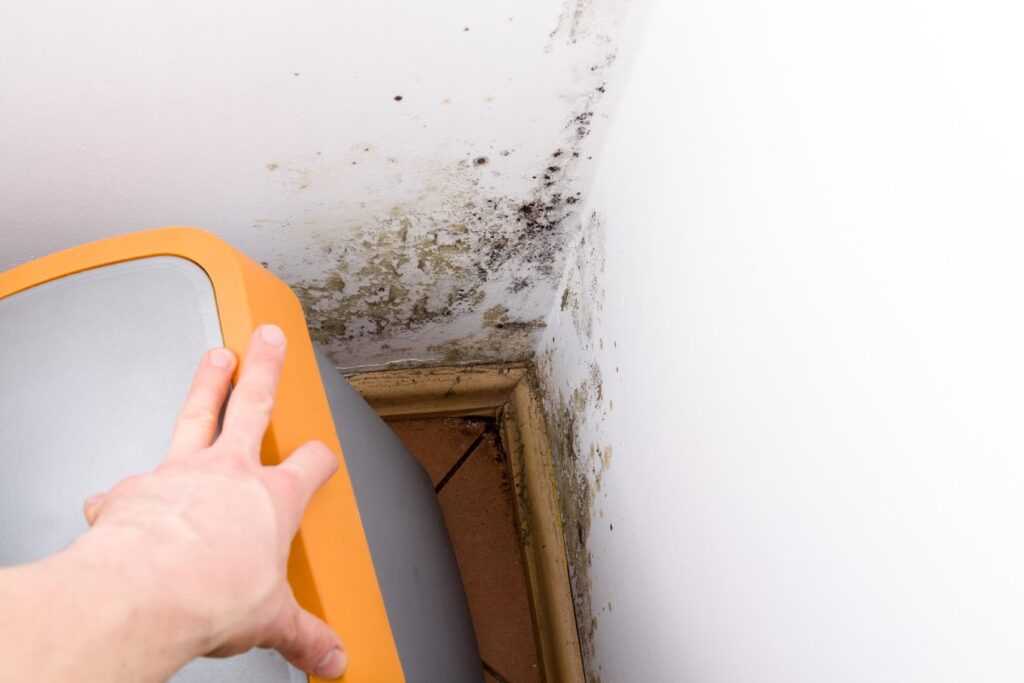
Mold risk is one reason quick water removal and verified drying matter. Damp drywall, wood, insulation, and flooring can create conditions that allow mold to develop. Household fans may dry the visible surface but fail to reach moisture trapped inside assemblies.
Professional restoration reduces this risk by extracting water, opening wet cavities when necessary, controlling humidity, and monitoring moisture. If technicians find existing mold, the restoration plan may include containment and mold remediation. The moisture source must also be corrected, or the problem may return after cleaning.
Insurance Documentation and Communication
When water damage may be covered by insurance, organized documentation can make the claim easier to understand. Property owners should photograph the damage, save relevant receipts, keep copies of messages, and note conversations with the carrier. Coverage depends on the policy, cause of loss, exclusions, deductibles, and other details, so no restoration company can promise that every expense will be covered.
Northwest Restoration of Lynnwood can document the affected areas, drying work, moisture readings, cleanup steps, and restoration needs. The team can communicate with insurance carriers and provide information related to the scope of work. You should still review your policy and ask your carrier direct questions about coverage and claim requirements.
Repairs and Final Restoration
Once the property is dry and clean, repairs can begin. The scope may include replacing drywall, insulation, flooring, trim, paint, cabinetry, or other damaged finishes. A small loss may require only limited repairs, while a major flood may involve reconstruction across several rooms.
Final restoration should begin only after drying is verified. Closing damp materials inside a wall or beneath new flooring can create future problems. A careful transition from mitigation to repairs protects the work already completed and helps return the property to a stable, usable condition.
Call Northwest Restoration of Lynnwood
Professional water damage restoration is more than removing a puddle. It requires inspection, extraction, moisture detection, structural drying, cleaning, documentation, and repairs. Each stage supports the next, and skipping one can allow hidden damage to remain.
Northwest Restoration of Lynnwood provides 24 hour help for water damage, basement floods, sewage backups, storm related water intrusion, and mold concerns. We serve homes and businesses in Lynnwood and surrounding communities with professional equipment, detailed moisture monitoring, and clear communication from cleanup through restoration.
If water is spreading through your property, do not wait for it to dry on its own. Call Northwest Restoration of Lynnwood at (206) 714 2468. Our team can inspect the damage, begin water removal, and build a restoration plan based on the actual condition of your property.