Water damage rarely stays in one place. A small leak under a sink can spread into cabinets, flooring, drywall, insulation, and framing before the surface looks serious. In Lynnwood, WA, where heavy rain, plumbing issues, appliance leaks, and roof leaks can all create moisture problems, quick action can make the difference between a manageable cleanup and a larger restoration project.
Northwest Restoration helps homeowners and businesses respond to water damage with fast water removal, drying, moisture detection, and restoration support. Whether the damage comes from a burst pipe, toilet overflow, flooded basement, appliance leak, storm intrusion, or crawlspace moisture, the goal is simple: stop the damage from spreading and restore the property safely.
Key Takeaways
Common Causes of Water Damage in Lynnwood Homes
Water damage can happen suddenly or slowly. Some property owners notice standing water immediately, while others only see staining, soft drywall, musty smells, or warped flooring after moisture has been present for a while. Common causes include broken or leaking pipes, clogged drains, dishwasher or washing machine leaks, roof leaks, storm water intrusion, sewage backups, sump pump failures, and excess humidity in poorly ventilated areas.
The source matters because clean water from a supply line is handled differently from contaminated water caused by sewage or flood water. The amount of time the water has been present also changes the restoration plan. That is why professional inspection is one of the most important first steps after any water damage event.
What to Do First After Water Damage
If you discover water damage, safety comes first. Avoid standing water if there is any chance of electrical exposure. If it is safe, stop the water source, turn off the supply line, move valuable items away from the affected area, and document visible damage with photos. Do not remove wet building materials or use household fans if the water may be contaminated.
After the immediate safety steps, call a water damage restoration company as soon as possible. The longer moisture remains inside the structure, the more likely it is to affect drywall, flooring, baseboards, insulation, and framing. Fast water extraction and controlled drying help reduce the chance of secondary damage.
How Professional Water Damage Restoration Works
A professional restoration process usually begins with inspection and moisture detection. Technicians check visible damage and look for hidden moisture using specialized tools. This helps identify affected materials that may not look wet on the surface.
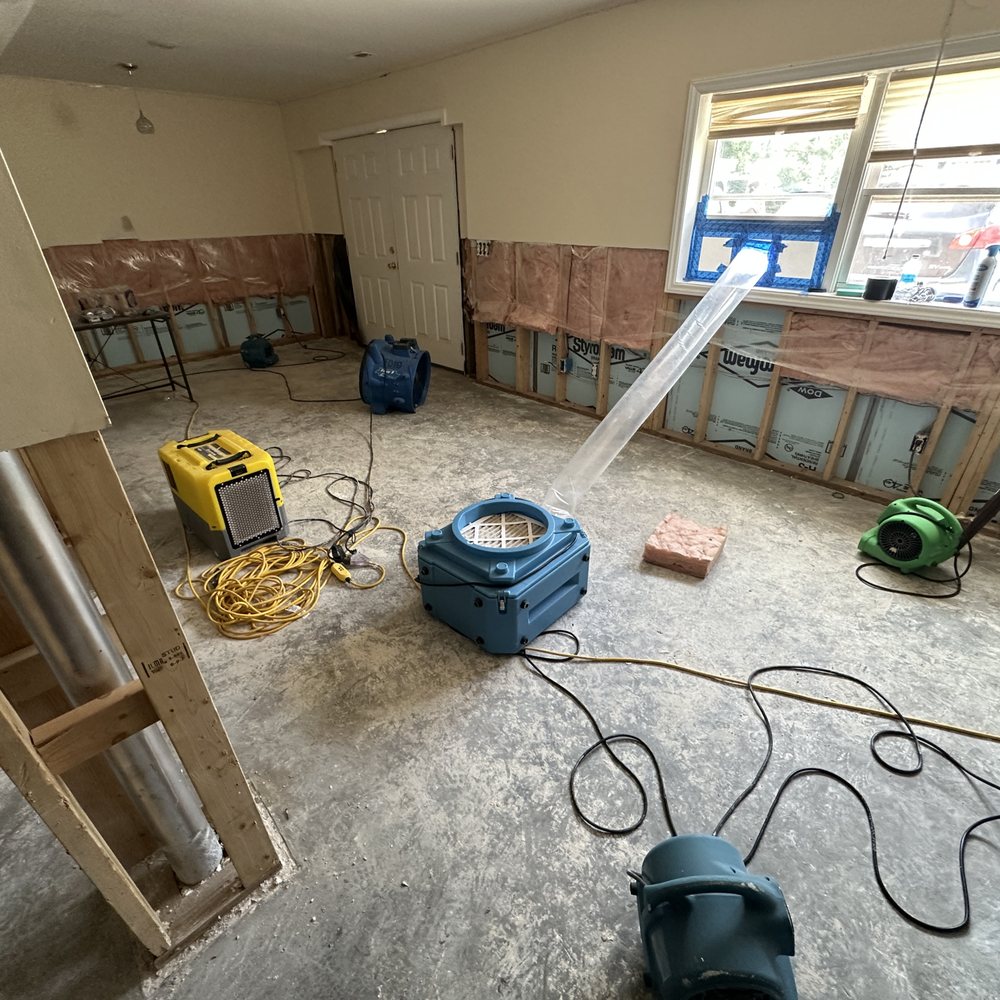
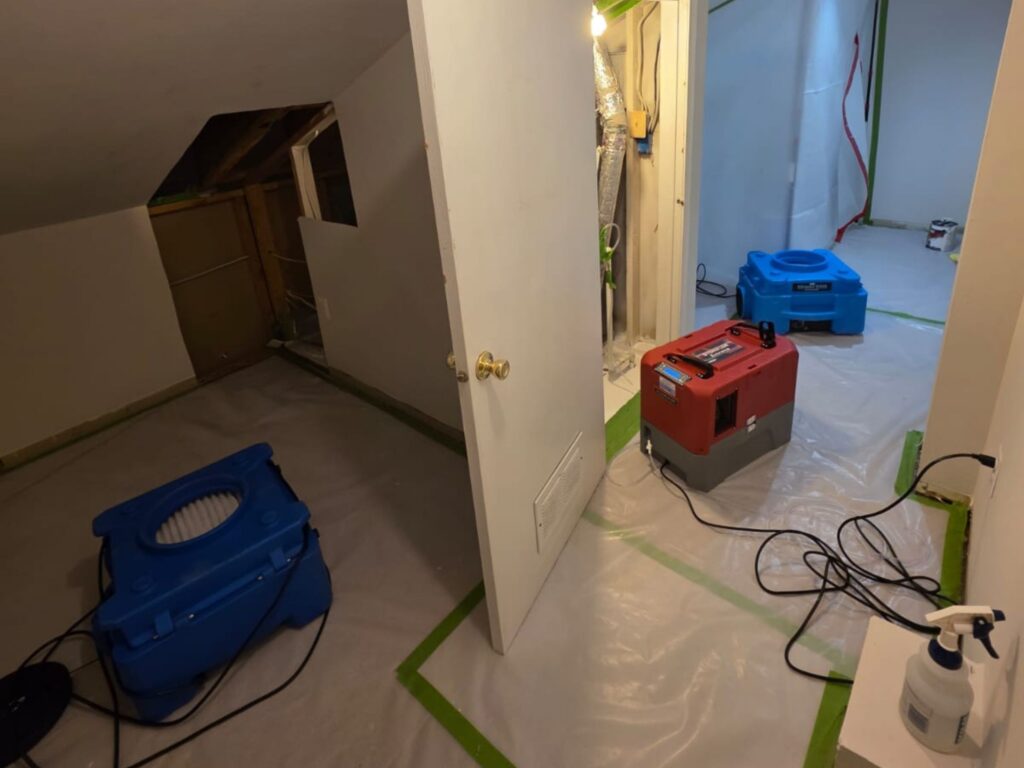
The next step is water extraction. Standing water and excess moisture are removed with pumps, vacuums, or extraction equipment. Once the bulk water is removed, the drying phase begins. Air movers and commercial dehumidifiers are used to dry affected surfaces and lower humidity inside the damaged area.
In some cases, damaged materials must be removed. Wet insulation, contaminated carpet pad, swollen baseboards, or compromised drywall may not be safe or practical to save. The restoration plan depends on the water source, the amount of moisture, and how deeply the damage has spread.
Why Moisture Detection Matters
One of the biggest mistakes after water damage is assuming the area is dry because the surface looks normal. Moisture can remain behind walls, under flooring, inside cabinets, and within framing. If that moisture is not found and removed, it can lead to mold growth, musty odors, staining, and material breakdown.
Professional moisture detection gives homeowners and business owners a clearer picture of the damage. It helps guide drying equipment placement and confirms whether the affected area is moving toward safe moisture levels.
Can Water Damage Lead to Mold?
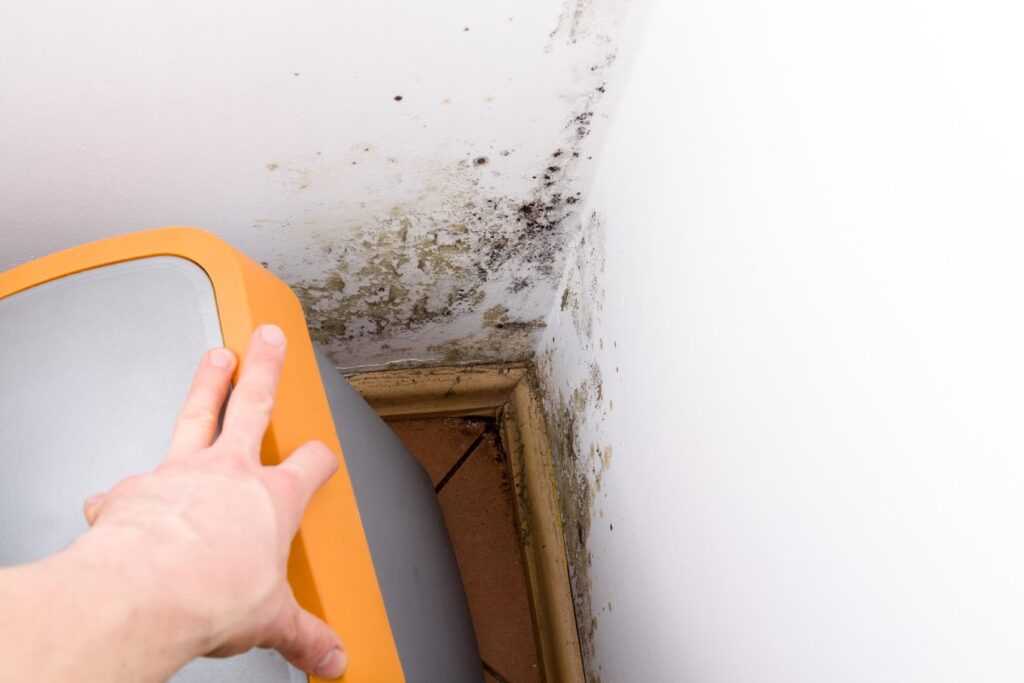
Yes. Mold can begin developing when moisture remains trapped in building materials. This is especially concerning in basements, crawlspaces, bathrooms, kitchens, laundry rooms, and areas with poor ventilation. If a leak or flood is not dried properly, mold may spread beyond the original water damage area.
That is why water damage cleanup and mold prevention often go together. Removing standing water is only the first step. Drying the structure and addressing the moisture source are what help protect the property long term.
Water Damage Cleanup for Homes and Businesses
Water damage can disrupt both residential and commercial properties. For homeowners, the priority is protecting the living space and reducing stress. For businesses, downtime can affect operations, customers, employees, and revenue. Northwest Restoration helps both property types with water extraction, drying, cleanup, documentation, and restoration planning.
Based in the region, Northwest Restoration serves Lynnwood, Edmonds, Bothell, Everett, Mukilteo, Shoreline, Seattle, Kirkland, Snohomish County, King County, and nearby North Sound communities. If your property has water damage, fast response can help limit the damage and make the restoration process more manageable.
When to Call Northwest Restoration
Call Northwest Restoration if you notice standing water, wet drywall, ceiling stains, bubbling paint, warped flooring, a musty smell, water in the basement, sewage backup, or moisture after a storm. Even if the damage looks small, hidden moisture can create bigger issues if it is not handled properly.
For water damage restoration in Lynnwood, WA, contact Northwest Restoration at (206) 746-3888 or request service online. The sooner the cleanup begins, the better chance you have of protecting your property and restoring peace of mind.
FAQs
How long does water damage restoration take?
The timeline depends on the severity of the damage, the amount of moisture, and the materials affected. Water extraction may happen quickly, while drying can take several days.
Can I clean water damage myself?
Small spills may be manageable, but water that affects walls, flooring, ceilings, or contaminated areas should be handled professionally. Hidden moisture can remain even after the surface looks dry.
Do you help with insurance documentation?
Northwest Restoration can provide documentation related to the damage, cleanup process, drying work, and restoration needs to help keep the claim process organized.
Northwest Restoration helps homeowners and businesses respond to water damage with fast water removal, drying, moisture detection, and restoration support. Whether the damage comes from a burst pipe, toilet overflow, flooded basement, appliance leak, storm intrusion, or crawlspace moisture, the goal is simple: stop the damage from spreading and restore the property safely.
Key Takeaways
- Water damage should be addressed quickly because moisture can move behind walls, under flooring, and into structural materials.
- Professional water extraction and structural drying help reduce the risk of mold, odors, and long term property damage.
- Moisture detection is important because visible water is only part of the problem.
- Northwest Restoration serves Lynnwood, WA and surrounding Snohomish and King County communities with water damage cleanup and restoration services.
Common Causes of Water Damage in Lynnwood Homes
Water damage can happen suddenly or slowly. Some property owners notice standing water immediately, while others only see staining, soft drywall, musty smells, or warped flooring after moisture has been present for a while. Common causes include broken or leaking pipes, clogged drains, dishwasher or washing machine leaks, roof leaks, storm water intrusion, sewage backups, sump pump failures, and excess humidity in poorly ventilated areas.
The source matters because clean water from a supply line is handled differently from contaminated water caused by sewage or flood water. The amount of time the water has been present also changes the restoration plan. That is why professional inspection is one of the most important first steps after any water damage event.
What to Do First After Water Damage
If you discover water damage, safety comes first. Avoid standing water if there is any chance of electrical exposure. If it is safe, stop the water source, turn off the supply line, move valuable items away from the affected area, and document visible damage with photos. Do not remove wet building materials or use household fans if the water may be contaminated.
After the immediate safety steps, call a water damage restoration company as soon as possible. The longer moisture remains inside the structure, the more likely it is to affect drywall, flooring, baseboards, insulation, and framing. Fast water extraction and controlled drying help reduce the chance of secondary damage.
How Professional Water Damage Restoration Works
A professional restoration process usually begins with inspection and moisture detection. Technicians check visible damage and look for hidden moisture using specialized tools. This helps identify affected materials that may not look wet on the surface.
The next step is water extraction. Standing water and excess moisture are removed with pumps, vacuums, or extraction equipment. Once the bulk water is removed, the drying phase begins. Air movers and commercial dehumidifiers are used to dry affected surfaces and lower humidity inside the damaged area.
In some cases, damaged materials must be removed. Wet insulation, contaminated carpet pad, swollen baseboards, or compromised drywall may not be safe or practical to save. The restoration plan depends on the water source, the amount of moisture, and how deeply the damage has spread.
Why Moisture Detection Matters
One of the biggest mistakes after water damage is assuming the area is dry because the surface looks normal. Moisture can remain behind walls, under flooring, inside cabinets, and within framing. If that moisture is not found and removed, it can lead to mold growth, musty odors, staining, and material breakdown.
Professional moisture detection gives homeowners and business owners a clearer picture of the damage. It helps guide drying equipment placement and confirms whether the affected area is moving toward safe moisture levels.
Can Water Damage Lead to Mold?
Yes. Mold can begin developing when moisture remains trapped in building materials. This is especially concerning in basements, crawlspaces, bathrooms, kitchens, laundry rooms, and areas with poor ventilation. If a leak or flood is not dried properly, mold may spread beyond the original water damage area.
That is why water damage cleanup and mold prevention often go together. Removing standing water is only the first step. Drying the structure and addressing the moisture source are what help protect the property long term.
Water Damage Cleanup for Homes and Businesses
Water damage can disrupt both residential and commercial properties. For homeowners, the priority is protecting the living space and reducing stress. For businesses, downtime can affect operations, customers, employees, and revenue. Northwest Restoration helps both property types with water extraction, drying, cleanup, documentation, and restoration planning.
Based in the region, Northwest Restoration serves Lynnwood, Edmonds, Bothell, Everett, Mukilteo, Shoreline, Seattle, Kirkland, Snohomish County, King County, and nearby North Sound communities. If your property has water damage, fast response can help limit the damage and make the restoration process more manageable.
When to Call Northwest Restoration
Call Northwest Restoration if you notice standing water, wet drywall, ceiling stains, bubbling paint, warped flooring, a musty smell, water in the basement, sewage backup, or moisture after a storm. Even if the damage looks small, hidden moisture can create bigger issues if it is not handled properly.
For water damage restoration in Lynnwood, WA, contact Northwest Restoration at (206) 746-3888 or request service online. The sooner the cleanup begins, the better chance you have of protecting your property and restoring peace of mind.
FAQs
How long does water damage restoration take?
The timeline depends on the severity of the damage, the amount of moisture, and the materials affected. Water extraction may happen quickly, while drying can take several days.
Can I clean water damage myself?
Small spills may be manageable, but water that affects walls, flooring, ceilings, or contaminated areas should be handled professionally. Hidden moisture can remain even after the surface looks dry.
Do you help with insurance documentation?
Northwest Restoration can provide documentation related to the damage, cleanup process, drying work, and restoration needs to help keep the claim process organized.