Mold is often a sign that moisture has been present longer than it should be. It may appear after a leak, flood, roof problem, sewage backup, or poor ventilation. In Lynnwood, WA, damp weather and hidden moisture can make mold concerns especially frustrating for homeowners and business owners.
Northwest Restoration provides mold remediation support focused on identifying the affected area, controlling spread, removing damaged materials when needed, cleaning surfaces, drying the structure, and addressing the moisture source. The goal is not just to remove visible mold. The goal is to reduce the conditions that allowed it to grow in the first place.
Key Takeaways:
Mold usually points to an underlying moisture issue that needs to be fixed.
Common signs include musty odors, staining, visible growth, damp materials, and warped surfaces.
Professional mold remediation uses containment and safe cleanup methods to reduce cross contamination.
Moisture control is the most important step in helping prevent mold from returning.
Common Signs of Mold in a Home or Business
Mold is not always obvious at first. Sometimes the first sign is a musty smell that keeps returning. Other times, you may notice dark spots on drywall, discoloration on ceilings, peeling paint, warped baseboards, damp carpet, or stains near a window, roof line, basement wall, or bathroom fixture.
Mold may also appear in hidden areas. Crawlspaces, attics, behind cabinets, under flooring, inside wall cavities, and around plumbing lines can hold moisture long after a leak has stopped. If a room smells damp or earthy but no mold is visible, hidden moisture may still be present.
What Causes Mold Growth in Lynnwood Properties?
Mold needs moisture to grow. Common sources include plumbing leaks, roof leaks, flooding, poor drainage, condensation, appliance leaks, crawlspace humidity, bathroom ventilation problems, and water damage that was not dried properly. Storm damage and basement flooding can also create the right conditions for mold if moisture remains trapped. Because the source is usually moisture, simply wiping visible mold may not solve the problem. If the leak, humidity, or trapped water is still present, mold can return.
Why DIY Mold Removal Can Be Risky
It may be tempting to clean mold with household products, but DIY cleanup can create problems if the affected area is larger than expected or if the mold is inside porous materials. Scrubbing or disturbing mold without proper containment can spread spores to other areas. Painted surfaces may look clean for a short time, while moisture remains behind the wall. Professional mold remediation is designed to control the affected area, reduce spread, remove materials that cannot be safely cleaned, and dry the source of moisture. This is especially important for mold in basements, crawlspaces, attics, and areas connected to water damage.
How the Mold Remediation Process Works
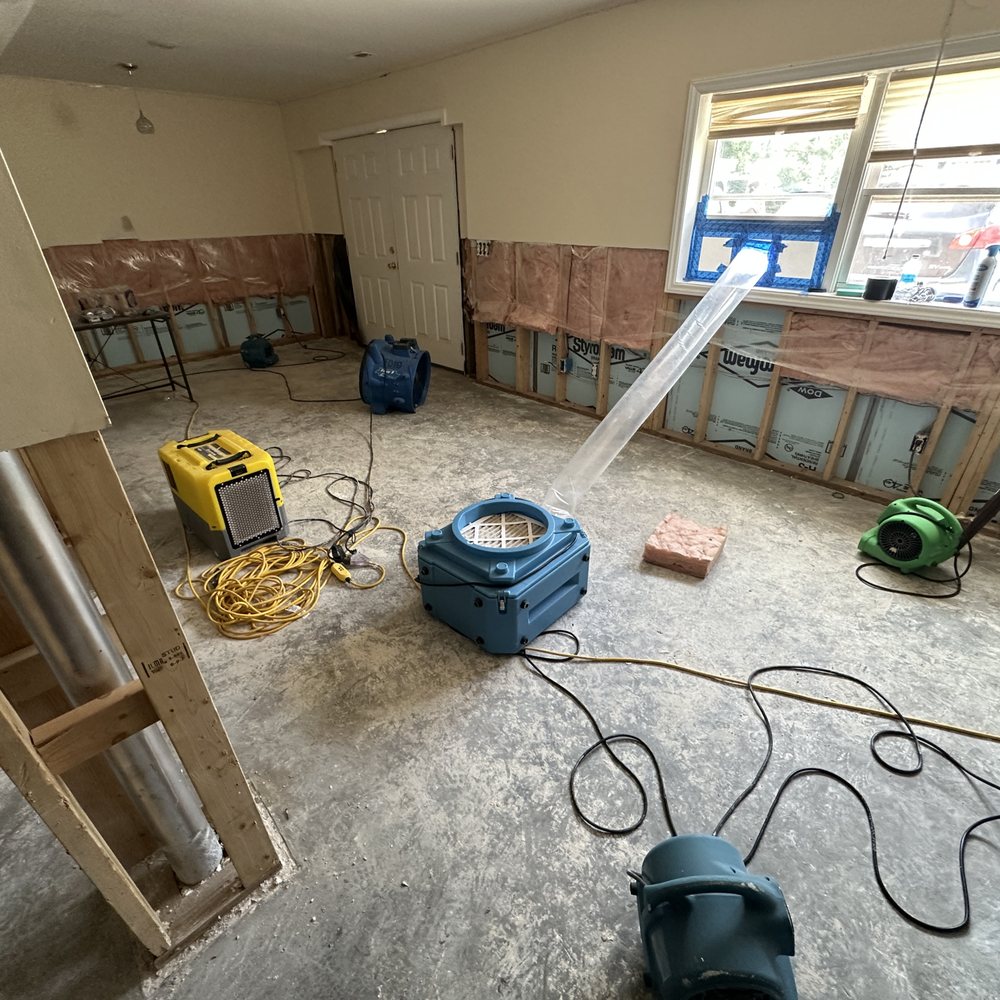
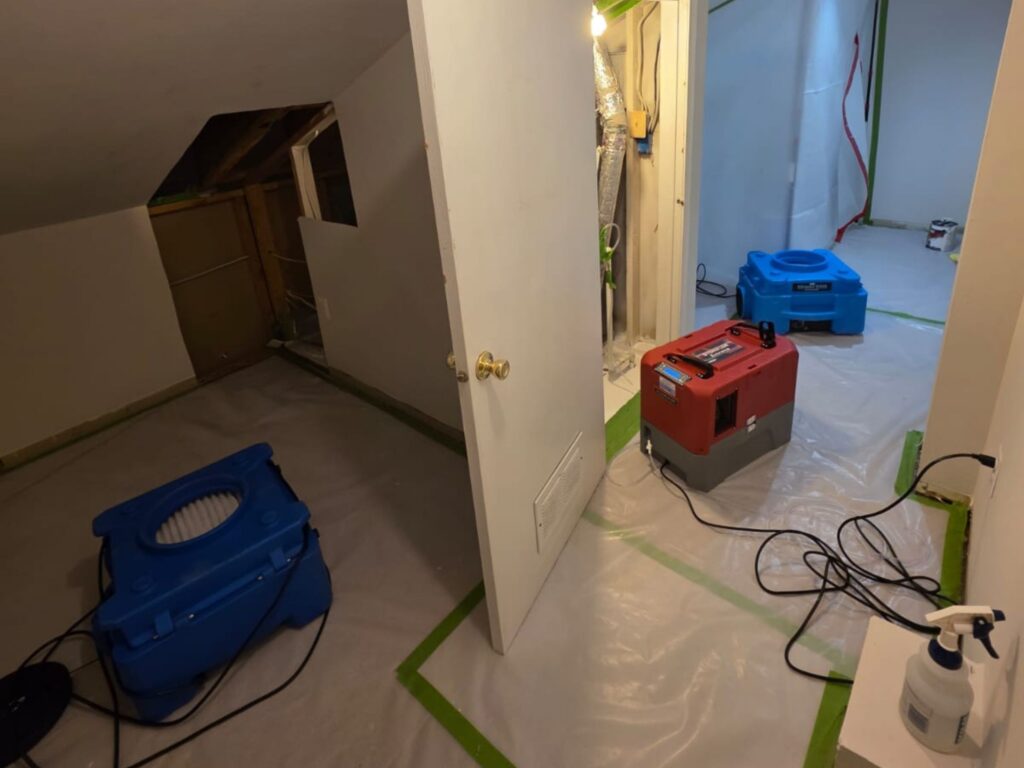
The process starts with inspection. A restoration team looks for visible mold, moisture sources, water damage, and areas where hidden moisture may be present. Once the affected area is identified, containment may be used to help prevent mold from spreading during cleanup. Next, damaged materials are cleaned or removed depending on the situation. Non porous surfaces may be cleaned, while porous materials with heavy growth may need to be removed. After cleanup, drying and dehumidification help lower moisture levels. Final checks help confirm that the affected area has been addressed and that moisture conditions have improved.
Mold After Water Damage
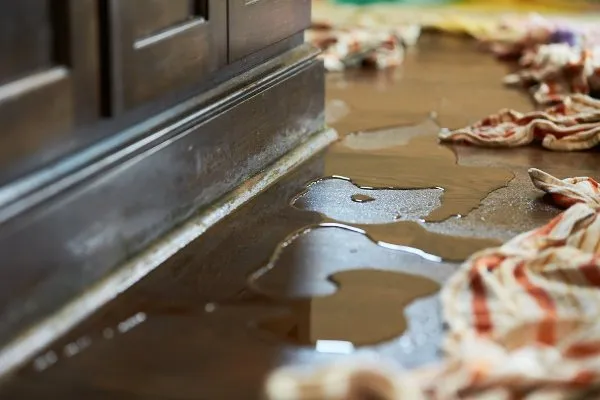
Mold often appears after water damage when the area was not dried quickly or thoroughly. A leak behind a wall, a wet ceiling after a roof problem, a flooded basement, or a sewage backup can all create mold risk. That is why water damage restoration and mold remediation often go hand in hand. If your home or business had water damage recently and now has a musty odor, staining, or visible growth, it is smart to schedule an inspection. Early action can help reduce spread and protect more of the structure from damage.
Crawlspace Mold and Moisture Problems
Crawlspaces are common problem areas because they can trap humidity and moisture. Poor ventilation, drainage issues, plumbing leaks, and ground moisture can create damp conditions. Mold in a crawlspace can affect wood framing, insulation, and indoor air quality if the problem is left alone. A professional approach may include inspection, removal of affected materials, drying, cleaning, and recommendations for moisture control. The right plan depends on the condition of the crawlspace and the source of the moisture.
When to Call Northwest Restoration
Call Northwest Restoration if you notice visible mold, musty odors, stains, damp drywall, warped flooring, mold after a leak, mold in a crawlspace, or recurring moisture problems. The team can inspect the issue, explain the next steps, and help restore the affected area with a focus on safety and moisture control. Northwest Restoration serves Lynnwood, Edmonds, Bothell, Everett, Mukilteo, Shoreline, Seattle, Kirkland, Snohomish County, King County, and nearby North Sound communities. For mold remediation in Lynnwood, WA, call (206) 746-3888 or request service online.
FAQs
Can mold return after removal?
Yes. Mold can return if the moisture source is not fixed. Proper remediation should include moisture control and drying, not only surface cleaning.
Can mold grow behind drywall?
Yes. Mold can grow behind drywall when moisture is trapped inside wall cavities. Moisture detection and inspection help identify hidden concerns.
Do I need professional mold remediation?
Professional help is recommended when mold covers a larger area, returns after cleaning, is connected to water damage, or may be inside walls, floors, crawlspaces, or HVAC connected areas.
Northwest Restoration provides mold remediation support focused on identifying the affected area, controlling spread, removing damaged materials when needed, cleaning surfaces, drying the structure, and addressing the moisture source. The goal is not just to remove visible mold. The goal is to reduce the conditions that allowed it to grow in the first place.
Key Takeaways:
Mold usually points to an underlying moisture issue that needs to be fixed.
Common signs include musty odors, staining, visible growth, damp materials, and warped surfaces.
Professional mold remediation uses containment and safe cleanup methods to reduce cross contamination.
Moisture control is the most important step in helping prevent mold from returning.
Common Signs of Mold in a Home or Business
Mold is not always obvious at first. Sometimes the first sign is a musty smell that keeps returning. Other times, you may notice dark spots on drywall, discoloration on ceilings, peeling paint, warped baseboards, damp carpet, or stains near a window, roof line, basement wall, or bathroom fixture.
Mold may also appear in hidden areas. Crawlspaces, attics, behind cabinets, under flooring, inside wall cavities, and around plumbing lines can hold moisture long after a leak has stopped. If a room smells damp or earthy but no mold is visible, hidden moisture may still be present.
What Causes Mold Growth in Lynnwood Properties?
Mold needs moisture to grow. Common sources include plumbing leaks, roof leaks, flooding, poor drainage, condensation, appliance leaks, crawlspace humidity, bathroom ventilation problems, and water damage that was not dried properly. Storm damage and basement flooding can also create the right conditions for mold if moisture remains trapped. Because the source is usually moisture, simply wiping visible mold may not solve the problem. If the leak, humidity, or trapped water is still present, mold can return.
Why DIY Mold Removal Can Be Risky
It may be tempting to clean mold with household products, but DIY cleanup can create problems if the affected area is larger than expected or if the mold is inside porous materials. Scrubbing or disturbing mold without proper containment can spread spores to other areas. Painted surfaces may look clean for a short time, while moisture remains behind the wall. Professional mold remediation is designed to control the affected area, reduce spread, remove materials that cannot be safely cleaned, and dry the source of moisture. This is especially important for mold in basements, crawlspaces, attics, and areas connected to water damage.
How the Mold Remediation Process Works
The process starts with inspection. A restoration team looks for visible mold, moisture sources, water damage, and areas where hidden moisture may be present. Once the affected area is identified, containment may be used to help prevent mold from spreading during cleanup. Next, damaged materials are cleaned or removed depending on the situation. Non porous surfaces may be cleaned, while porous materials with heavy growth may need to be removed. After cleanup, drying and dehumidification help lower moisture levels. Final checks help confirm that the affected area has been addressed and that moisture conditions have improved.
Mold After Water Damage
Mold often appears after water damage when the area was not dried quickly or thoroughly. A leak behind a wall, a wet ceiling after a roof problem, a flooded basement, or a sewage backup can all create mold risk. That is why water damage restoration and mold remediation often go hand in hand. If your home or business had water damage recently and now has a musty odor, staining, or visible growth, it is smart to schedule an inspection. Early action can help reduce spread and protect more of the structure from damage.
Crawlspace Mold and Moisture Problems
Crawlspaces are common problem areas because they can trap humidity and moisture. Poor ventilation, drainage issues, plumbing leaks, and ground moisture can create damp conditions. Mold in a crawlspace can affect wood framing, insulation, and indoor air quality if the problem is left alone. A professional approach may include inspection, removal of affected materials, drying, cleaning, and recommendations for moisture control. The right plan depends on the condition of the crawlspace and the source of the moisture.
When to Call Northwest Restoration
Call Northwest Restoration if you notice visible mold, musty odors, stains, damp drywall, warped flooring, mold after a leak, mold in a crawlspace, or recurring moisture problems. The team can inspect the issue, explain the next steps, and help restore the affected area with a focus on safety and moisture control. Northwest Restoration serves Lynnwood, Edmonds, Bothell, Everett, Mukilteo, Shoreline, Seattle, Kirkland, Snohomish County, King County, and nearby North Sound communities. For mold remediation in Lynnwood, WA, call (206) 746-3888 or request service online.
FAQs
Can mold return after removal?
Yes. Mold can return if the moisture source is not fixed. Proper remediation should include moisture control and drying, not only surface cleaning.
Can mold grow behind drywall?
Yes. Mold can grow behind drywall when moisture is trapped inside wall cavities. Moisture detection and inspection help identify hidden concerns.
Do I need professional mold remediation?
Professional help is recommended when mold covers a larger area, returns after cleaning, is connected to water damage, or may be inside walls, floors, crawlspaces, or HVAC connected areas.