A fire can leave a property looking and feeling unsafe even after the flames are out. There may be burned materials, soot, smoke residue, lingering odor, water from firefighting efforts, and hidden structural concerns. For homeowners and business owners in Lynnwood, WA, the first few steps after a fire are important for safety, documentation, and a smoother recovery.
Northwest Restoration provides fire damage restoration support for properties affected by fire, smoke, soot, odor, and related water damage. The restoration process is not only about cleaning what can be seen. It is about stabilizing the property, removing harmful residue, improving indoor air quality, drying wet materials, and planning repairs the right way.
Key Takeaways
- Do not enter a fire damaged property until it has been cleared as safe.
- Smoke and soot can travel far beyond the area where the fire started.
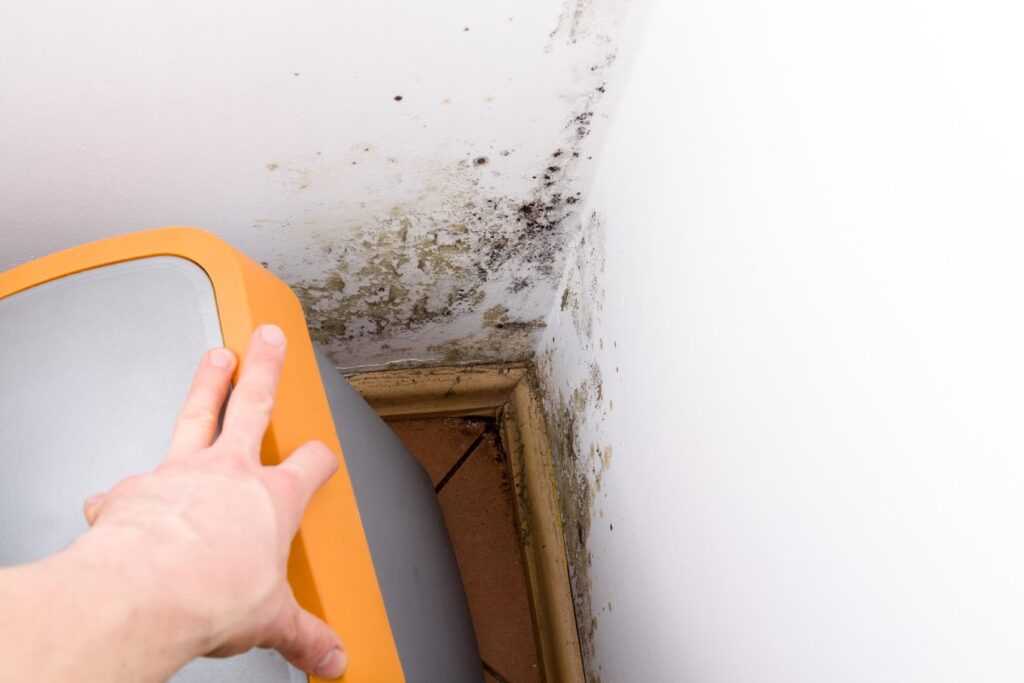
- Water used to put out the fire can cause additional moisture damage and mold risk.
- Professional fire damage restoration includes inspection, cleanup, odor control, drying, and repair planning.
What to Do Immediately After a Fire
Safety should always come first. Do not reenter the property until the fire department or the proper authority says it is safe. Fire can weaken structural materials, damage electrical systems, and leave behind harmful residue. Even rooms that look untouched can contain smoke particles and odor.
Once the property is safe to access, take photos and videos of visible damage for documentation. Avoid wiping soot from walls, ceilings, appliances, or furniture, because improper cleaning can push residue deeper into materials. Contact your insurance provider and call a fire damage restoration company that can help assess the damage and begin the recovery process.
The Different Types of Fire Damage
Fire damage is more complex than burned surfaces. A complete restoration plan may need to address several layers of damage.
Structural damage: Heat and flames can weaken framing, walls, flooring, roofing, and support materials.
Smoke damage: Smoke particles can settle on walls, ceilings, belongings, vents, and hidden surfaces.
Soot damage: Soot can stain materials and may require specialized cleaning methods.
Odor damage: Smoke odor can remain in porous materials if it is not treated at the source.
Water damage: Firefighting efforts can leave wet drywall, flooring, insulation, and framing that need drying.
Why Smoke and Soot Cleanup Matters
Smoke and soot can move through a home quickly. They may enter rooms that were not directly touched by the fire, travel through HVAC systems, and settle on surfaces throughout the property. If left untreated, residue can cause staining, persistent odor, and indoor air quality concerns.
Professional smoke damage restoration focuses on cleaning affected surfaces, removing contaminated materials when needed, using filtration or odor control methods, and helping restore the property to a cleaner condition. The right cleaning approach depends on the type of fire, the materials affected, and how far the smoke traveled.
Water Damage After a Fire
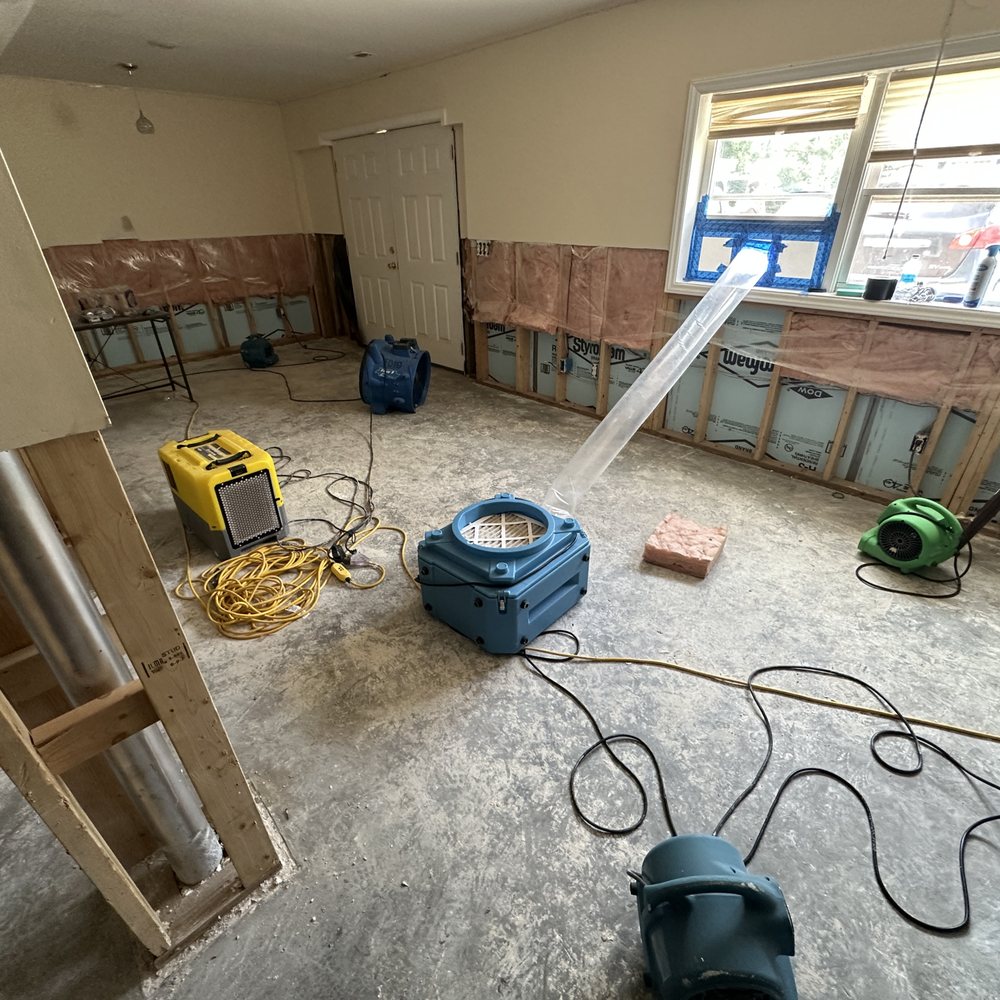
Many fire damaged properties also have water damage. Water may come from hoses, sprinkler systems, broken plumbing, or roof openings caused by the fire. This moisture can soak into floors, walls, insulation, and cabinets. If it is not removed and dried properly, it can lead to mold growth and structural problems.
That is why fire restoration often includes water extraction, structural drying, and moisture detection. Restoring a property after a fire means addressing both the visible fire damage and the hidden moisture left behind.
How the Fire Damage Restoration Process Works
The process usually begins with inspection and damage assessment. Restoration professionals look at the affected areas, identify safety concerns, document the damage, and create a plan for cleanup and repairs. If the property is exposed to weather, board up or temporary protection may be needed.
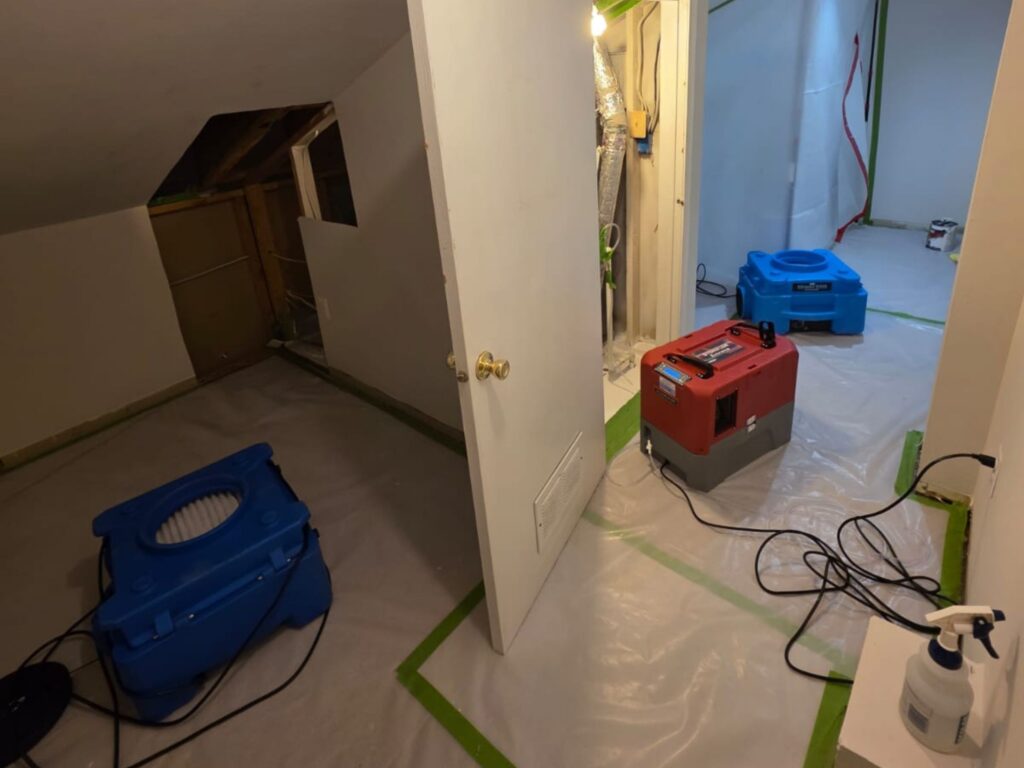
Next comes debris removal, soot cleanup, smoke residue cleaning, odor treatment, water removal, drying, and sanitizing. Salvageable belongings may be cleaned when possible, while materials that cannot be restored safely may need to be removed. After cleanup, repair and reconstruction planning can begin.
When Should You Call a Fire Damage Restoration Company?
Call a professional restoration company as soon as the property is safe and the immediate emergency has been handled. Waiting too long can allow smoke odor to settle deeper, soot to stain surfaces, and water damage to spread. Quick response helps protect the property and gives you a clearer path forward.
Northwest Restoration serves Lynnwood, Edmonds, Bothell, Everett, Mukilteo, Shoreline, Seattle, Kirkland, Snohomish County, King County, and nearby North Sound communities. The team helps homeowners and businesses with fire damage cleanup, smoke odor removal, soot cleaning, water damage from firefighting efforts, and restoration planning.
Why Choose Northwest Restoration for Fire Damage Restoration?
Fire damage can be stressful, emotional, and difficult to manage without support. Northwest Restoration focuses on clear communication, careful cleanup, professional drying, odor control, and dependable restoration steps. The goal is to help stabilize the property, reduce further damage, and guide the recovery process from inspection through cleanup and repair planning.
For fire damage restoration in Lynnwood, WA, contact Northwest Restoration at (206) 746-3888 or request a consultation online. The sooner restoration begins, the sooner your property can move toward a safer and cleaner condition.
FAQs
Can smoke damage affect rooms that did not burn?
Yes. Smoke can travel through doorways, vents, wall cavities, and HVAC systems. Rooms away from the fire may still need cleaning and odor treatment.
Does fire damage restoration include water removal?
In many cases, yes. Water from firefighting efforts can soak into structural materials and must be removed and dried properly.
Can smoke odor be removed completely?
Smoke odor can often be greatly reduced or removed when the source is properly cleaned and treated. The method depends on the materials affected and the severity of the damage.